Spinel is a connoisseur's stone that mostly lives online. Here is how to buy spinel online safely in 2026 — the certificate, returns, provenance, payment and imagery to check before you pay.
To buy spinel online safely, work only with a seller who supplies an independent gemological certificate, publishes a clear return policy, discloses origin and any treatment, takes secure payment, and shows high-resolution photos and video of the exact stone. Confirm each of these before you pay, never after.
Why Buying Spinel Online Feels Like a Leap
Spinel is a connoisseur's gemstone. You will rarely find fine material in a shopping-mall jeweller's case, because the best rough is claimed by a small circle of cutters and specialist dealers long before it reaches a public display. That is precisely why the internet has become the natural home of the serious spinel market — and why learning to buy spinel online with confidence matters. The stone that once passed for ruby in the Black Prince's Ruby is still under-recognised enough that a careful buyer can acquire a top red for roughly a tenth of the price of a comparable ruby. Opportunity and uncertainty travel together, so the aim is not to avoid the online market but to operate inside it like a professional.
The good news is that spinel is one of the more forgiving gemstones to buy remotely. It is very rarely treated, so you are not navigating the maze of heat, diffusion and fracture-filling that shadows the sapphire trade, where roughly 90% of blue sapphire is heat-treated. What you mainly need to confirm is that the stone is natural rather than synthetic, that its colour and clarity match the imagery, and that the seller stands behind the sale. The rest of this guide turns that into checks you can run before any money changes hands.
What Makes a Trustworthy Place to Buy Spinel Online?
Five things separate a dealer worth trusting from a listing worth skipping. Each is verifiable in minutes, and a reputable seller makes all five easy to find rather than buried in the fine print:
- Independent certification — a report from a laboratory the seller does not own or control.
- A clear, written return policy — a stated inspection window and a plain-language refund process.
- Transparent provenance — where the stone was mined, plus honest disclosure of any treatment.
- Secure, traceable payment — encrypted checkout and buyer-protected methods, never wire-only.
- High-resolution imagery and video — of the exact stone, not a stock photo or a lookalike.
Miss one and you are guessing. Get all five and the risk of buying remotely falls close to the risk of buying across a counter. Let us take them one at a time, because the detail inside each is where value is won or lost.
The Independent Certificate: Your First Non-Negotiable
For any significant stone, an independent gemological certificate is the single most important document in the transaction. Independent is the operative word: the report should come from a laboratory with no financial stake in the sale. Respected names include GIA, SSEF, Gübelin, GRS, AGL and Lotus Gemology. A spinel report confirms the species — natural spinel, not a synthetic or a look-alike — states the measured refractive index, since spinel is singly refractive at roughly 1.712 to 1.762, and records whether any treatment was detected. Because natural spinel is so seldom treated, most fine reports read no indications of heating, which is exactly what you want to see.
A certificate does more than describe a stone; it makes the seller accountable. If a report states natural spinel with no detected treatment and the stone later fails an independent test, you have documented grounds for recourse. We always recommend commissioning or verifying a report for anything of real value, and our own inventory is described exactly as the labs grade it. To understand what each line on a report means, our guide to spinel certification walks through a full report field by field, and you can also learn to tell a real spinel from an imitation so the paperwork simply confirms what your eye already suspects.
One nuance is worth knowing: not every stone needs a premier five-figure lab report. A $300 grey spinel does not warrant a certificate that costs a meaningful fraction of the stone's value. For entry-level material, a report from GIA or a solid regional lab — or a trusted dealer's detailed written disclosure — is proportionate. For anything from a few thousand dollars upward, and certainly for fine red or cobalt-blue spinel, insist on a premier laboratory report. Matching the paperwork to the price is part of buying like a connoisseur rather than a tourist.
Provenance and Treatment: Ask Where It Came From
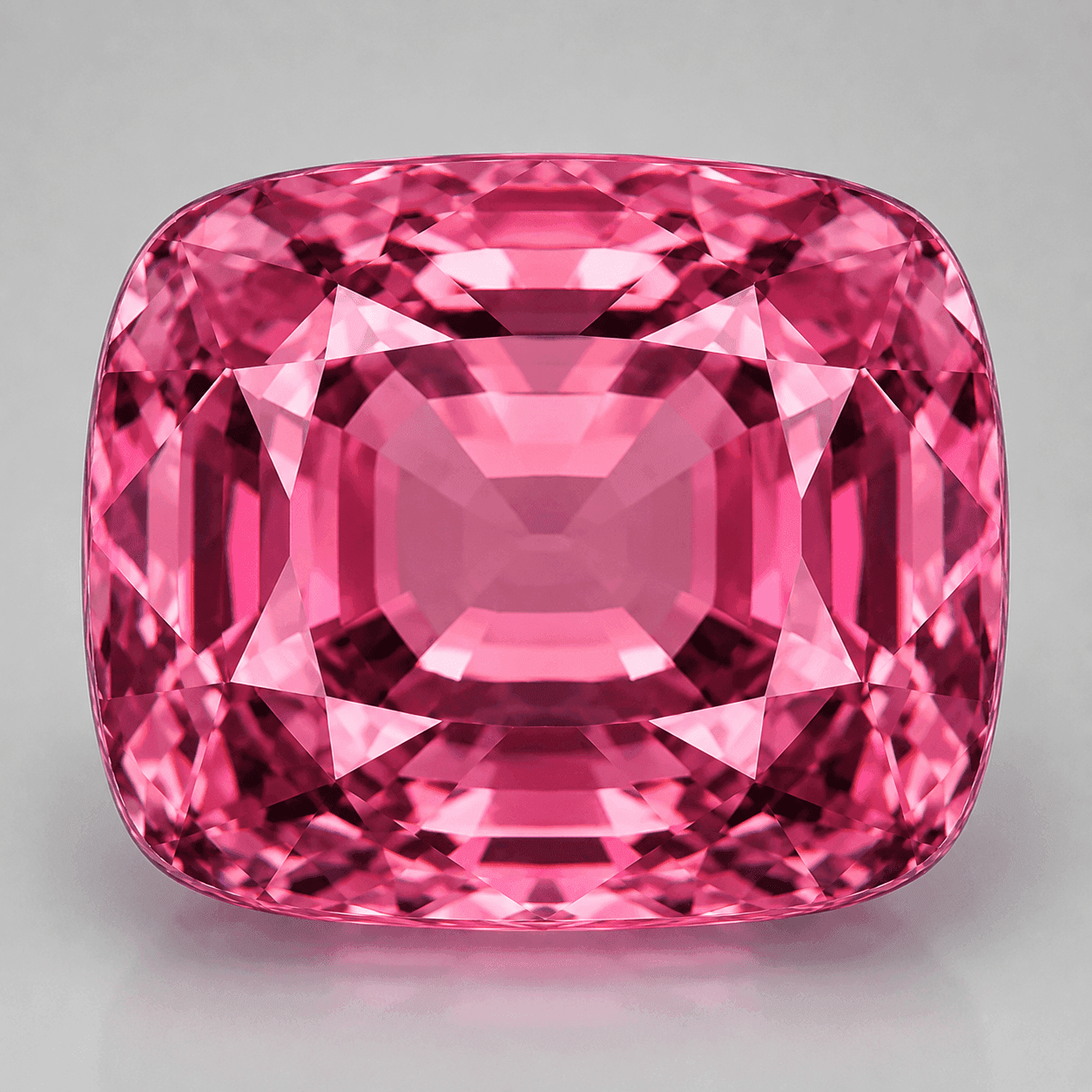
Origin is part of a spinel's identity and, increasingly, its value. We have handled stones from every major source, and each carries a fingerprint. Mahenge in Tanzania produces the neon pinks that revived the entire spinel market after their 2007 discovery, along with a cobalt-blue deposit opened around 2021. Luc Yen in Vietnam yields the most coveted cobalt blues. Mogok in Myanmar remains the historic home of the finest reds, exceptional examples of which can exceed $20,000 per carat. Sri Lanka gives more iron-rich, denim-to-purple blues that form the accessible entry point. A seller who can tell you where a stone was mined, and why that matters, is a seller paying attention.
Treatment disclosure is simpler for spinel than for almost any other coloured stone, and that is a genuine advantage when you buy spinel online. Fine cobalt spinel is almost never treated, and spinel as a whole is very rarely heated — a sharp contrast with the sapphire market, where heat is the rule rather than the exception. Even so, disclosure should be explicit rather than implied. A trustworthy listing states treatment status in writing, ideally backed by the lab report, rather than leaving you to assume. If a seller is vague about origin or treatment, treat the silence itself as an answer.
How to Buy Spinel Online Safely, Step by Step
Here is the sequence we would follow for any remote purchase, from a $200 grey to a five-figure Mahenge. Work through it in order and you will catch almost every problem before it costs you anything:
- Define your stone. Decide on colour, carat range and budget first. Our complete guide to natural spinel and spinel price guide help you set realistic expectations before you shop.
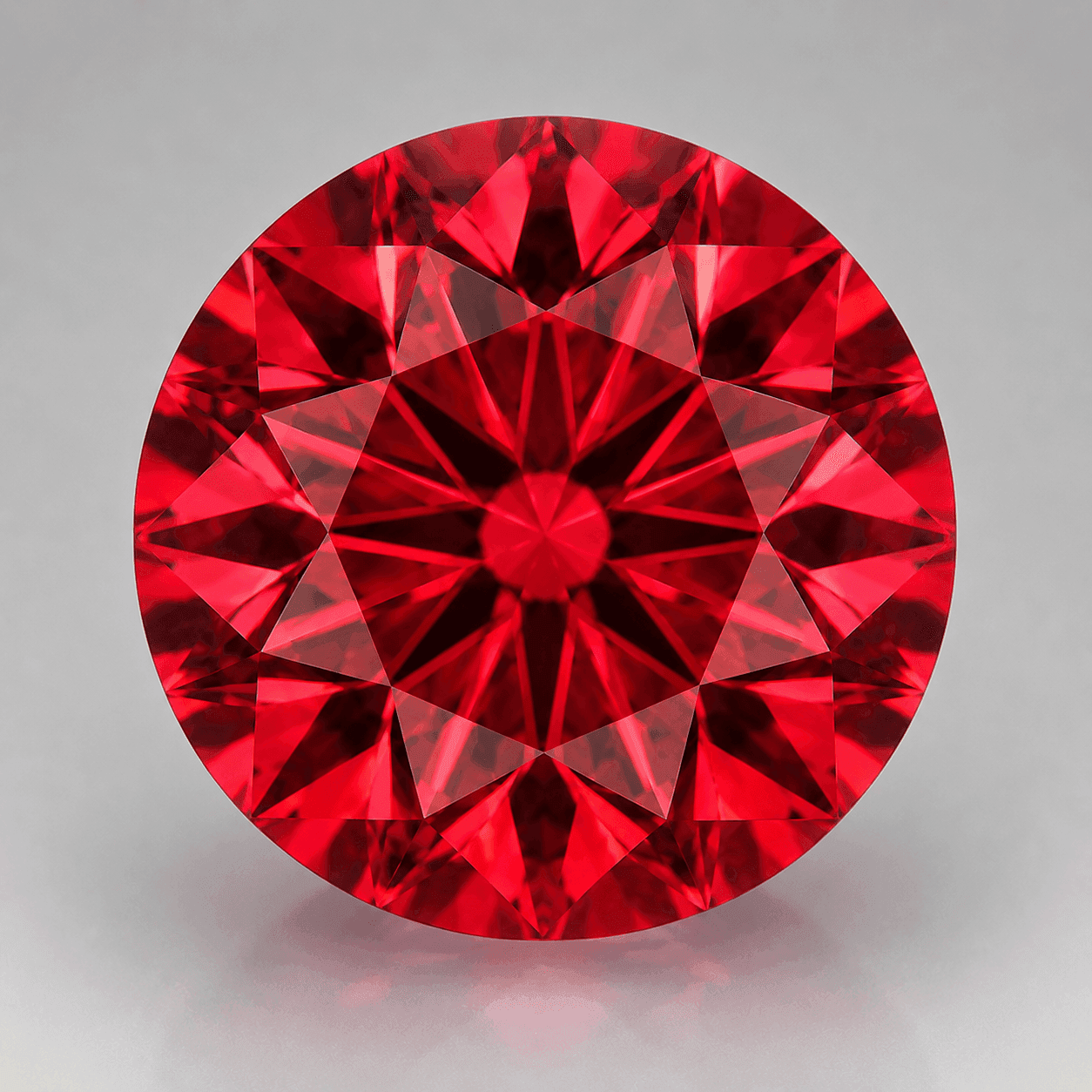
- Study the imagery. Demand high-resolution photos and, ideally, video under mixed lighting. Colour that appears only under a single light source is a warning sign.
- Read the certificate. Confirm it is from an independent lab, that the stone is natural spinel, and that treatment status is stated. Cross-check the report's dimensions against the listing.
- Verify the report. Use the laboratory's own online verification tool or report-number lookup to confirm the certificate is genuine and describes this stone.
- Check the return policy. Confirm the inspection window, who pays return shipping, and whether the refund is full. Get it in writing before you pay.
- Pay securely. Use encrypted checkout and a buyer-protected method. Be cautious with sellers who will only accept a bank wire or other irreversible transfer.
- Inspect on arrival. Compare the stone to its images and report the moment it arrives, within the return window, under good light and ideally a 10x loupe.
Returns, Payment and Buyer Protection
A confident seller offers a genuine return window because they expect the stone to sell itself in person. Look for a clearly stated inspection period — a week or more is common among specialist dealers — during which you can examine the stone and return it for a refund if it does not match its description. Read who is responsible for return shipping and insurance, and whether any restocking fee applies. On payment, favour methods that preserve recourse: major cards and established buyer-protected checkout systems can reverse a charge if a stone is misrepresented. A demand for a bank wire as the only option removes that protection and should give you pause on a first purchase.
Packaging and insurance matter too. Loose stones should ship fully insured and discreetly, with tracking and a signature required on delivery. Ask how a stone is packaged and insured in transit; a precise answer signals a professional operation. None of this is unique to gemstones, but the values involved — a single fine spinel can cost more than a car — make it worth confirming rather than assuming.
Red Flags That Should Stop the Sale
Most poor online purchases share the same warning signs. Any one of these justifies walking away, and no apparent bargain is worth ignoring them:
- No independent report, or a certificate from an unnamed or in-house lab. If the grader works for the seller, it is marketing, not verification.
- A price far below the 2026 market. A fine red spinel offered at commercial-goods pricing is likely mislabelled, synthetic, or not the stone in the photo.
- Stock or borrowed photos. You are buying one specific stone, so you must see that stone.
- No returns, or wire-transfer-only payment. Both strip away your recourse if the stone disappoints.
- Vague or shifting answers about origin, treatment or weight. Precision is cheap for an honest seller.
- Balas spinel or synthetic spinel sold as a natural fine stone. Know the terms; our natural versus lab-created spinel guide explains the difference.
None of these guarantees fraud in isolation, but they correlate with it. Connoisseurs treat them as a checklist: the more boxes a listing ticks, the faster you close the tab.
What Fair Spinel Pricing Looks Like in 2026
Knowing the market is your best defence, because a price that looks too good is the most common lure. The table below shows realistic per-carat ranges as of 2026, informed by GIA's spinel quality factors. Use it to sanity-check any listing before you buy spinel online, and remember that a top red spinel is often around one-tenth the price of a comparable ruby — the value story that draws collectors to the species in the first place.
| Spinel type | Price per carat (2026) | Notes |
|---|---|---|
| Commercial red | $100-600 | Included or lighter colour; a fair entry point |
| Good red | $600-2,000 | Better saturation and clarity |
| High-grade red | $2,000-5,000 | Vivid colour, eye-clean |
| Top red | $5,000-10,000 | Often about one-tenth of a comparable ruby |
| Exceptional Myanmar red | $20,000+ | Mogok origin, top saturation, larger sizes |
| Cobalt-blue, second tier | from ~$2,000 | More iron; Sri Lankan denim tones |
| Cobalt-blue, top | $20,000+ | Vietnam or Mahenge, eye-clean neon |
| Grey | $300-500 | Well-cut; popular for men's pieces |
These are ranges, not quotes — cut quality, clarity, size and origin move a stone within and between bands. For a fuller breakdown see our dedicated spinel price guide, and if you are weighing a purchase as a store of value, read our honest take on spinel as an investment. The purpose of knowing the ranges is not to find the cheapest stone; it is to recognise when a price is telling you something the seller is not.
Browse Our Certified, Hand-Selected Loose Spinel
The House of Spinel deals exclusively in loose natural spinel — no jewellery, no filler, no synthetics quietly mixed in. Every significant stone is described as the labs grade it, photographed in high resolution, and offered on clear terms so you can buy with the same confidence you would bring to an in-person deal. When you are ready to move from research to acquisition, browse our current collection of loose spinel or begin with a single colour — our pink and Mahenge spinel is a natural place for a first serious purchase. If you would like a second opinion before you commit, our team is glad to talk a stone through.
Buying remotely rewards the prepared. Verify the certificate, read the return policy, confirm provenance and treatment, pay securely and study the imagery — do those five things and you can buy spinel online as safely as any professional in the trade. These stones are rare, genuinely one-of-one, and increasingly recognised; the collectors acquiring them now are simply the ones who learned to look closely before they leapt.
- Is it safe to buy spinel online?
- Yes, if you follow a few rules. Buy only from sellers offering an independent gemological certificate, a written return policy, transparent provenance, secure payment and high-resolution images of the exact stone. Spinel is very rarely treated, which makes remote verification simpler than for sapphire or emerald.
- Do I need a certificate to buy a spinel?
- For any significant stone, yes. An independent report from a lab such as GIA, SSEF, GRS or Lotus Gemology confirms the stone is natural spinel and states any treatment. For inexpensive stones like a $300 grey, a detailed dealer disclosure can be proportionate, but always insist on paperwork for costly reds and cobalt blues.
- How can I tell if a spinel is natural and not synthetic?
- Synthetic spinel has been produced for over a century and can look convincing, so rely on an independent lab report rather than the eye alone. A gemologist confirms natural origin through inclusions, spectroscopy and refractive index. Reputable online sellers supply this documentation; if a seller cannot, treat the stone as unverified.
- What is a fair price for spinel in 2026?
- It depends on colour and quality. As of 2026, commercial red spinel runs about $100-600 per carat, fine reds $2,000-10,000, and exceptional Myanmar stones over $20,000. Top cobalt blue can exceed $20,000, while grey sits around $300-500. A top red is often roughly one-tenth the price of a comparable ruby.
- Which spinel colour should a first-time buyer choose?
- There is no wrong answer, but grey and Sri Lankan denim-blue spinel offer accessible entry points, while pink and red suit those who want the classic look. Choose the colour you are drawn to, then buy the best quality your budget allows — one fine stone outperforms several mediocre ones.
Buying for someone else? See our spinel gift guide. After buying, protect it — see spinel appraisal and insurance.
Sources
Facts on this page draw on independent gemmological authorities:
- Gemological Institute of America (GIA) · Institute
- Gübelin Gem Lab · Laboratory
- GRS (GemResearch Swisslab) · Laboratory
- Lotus Gemology · Laboratory