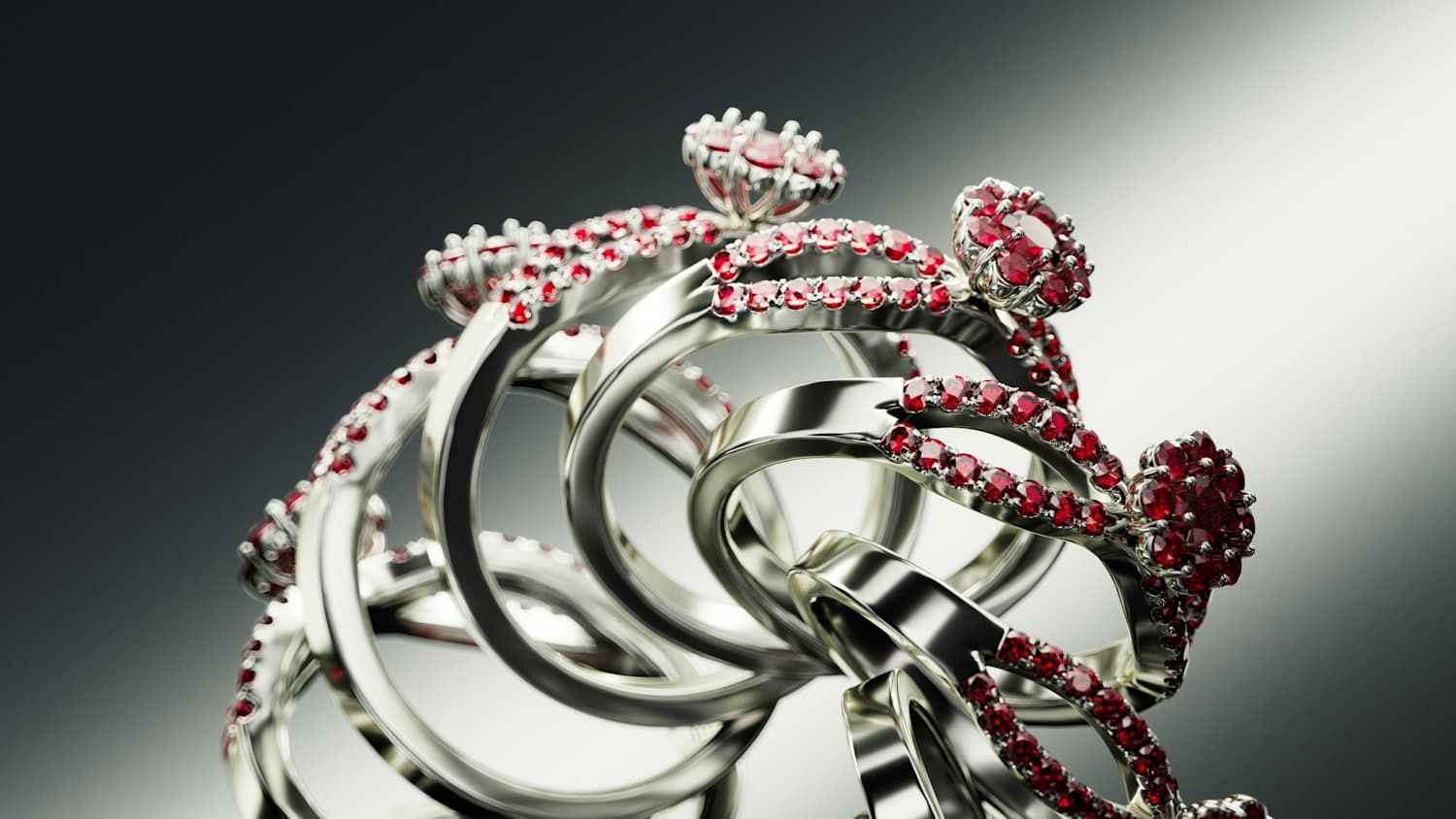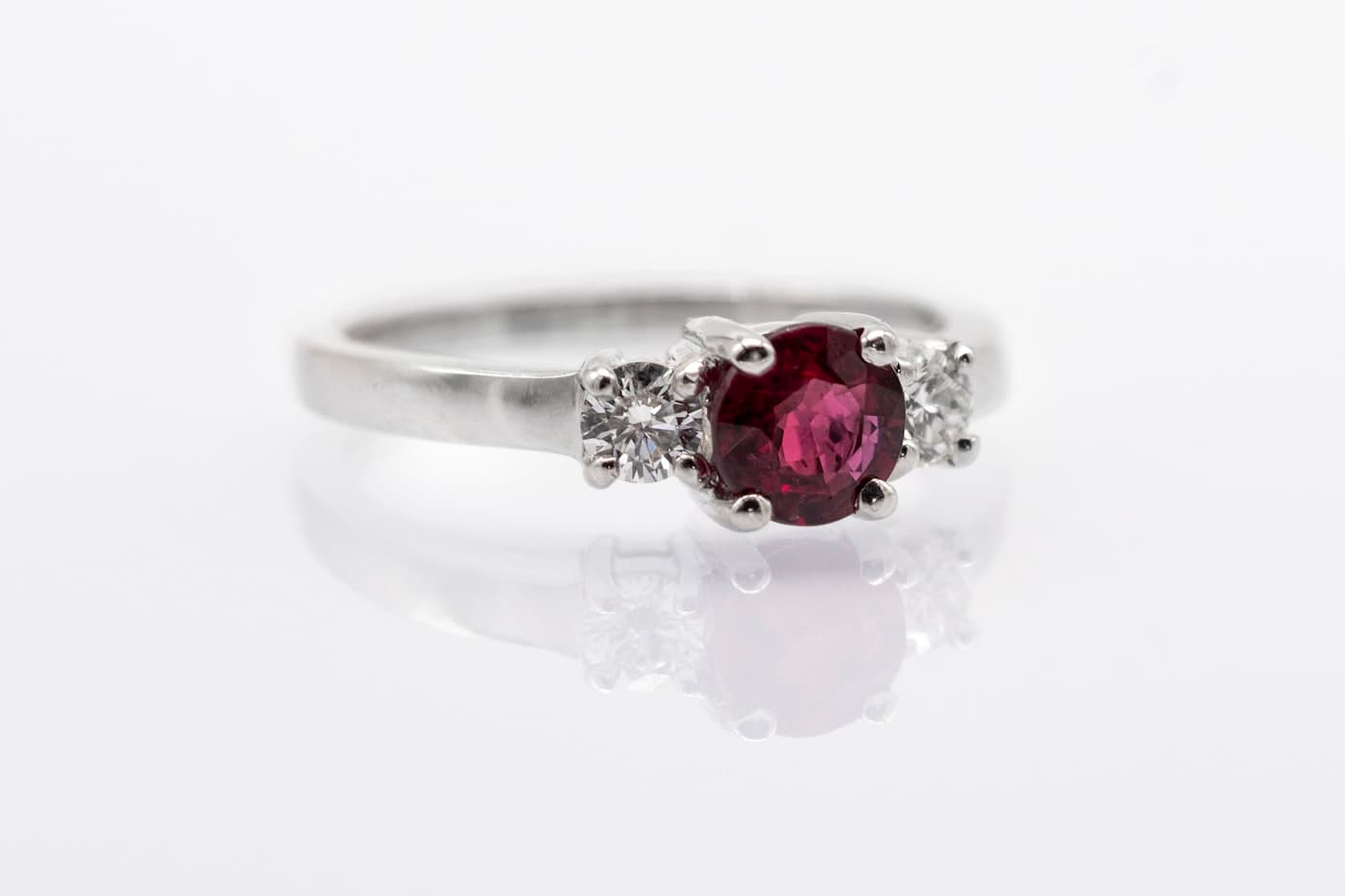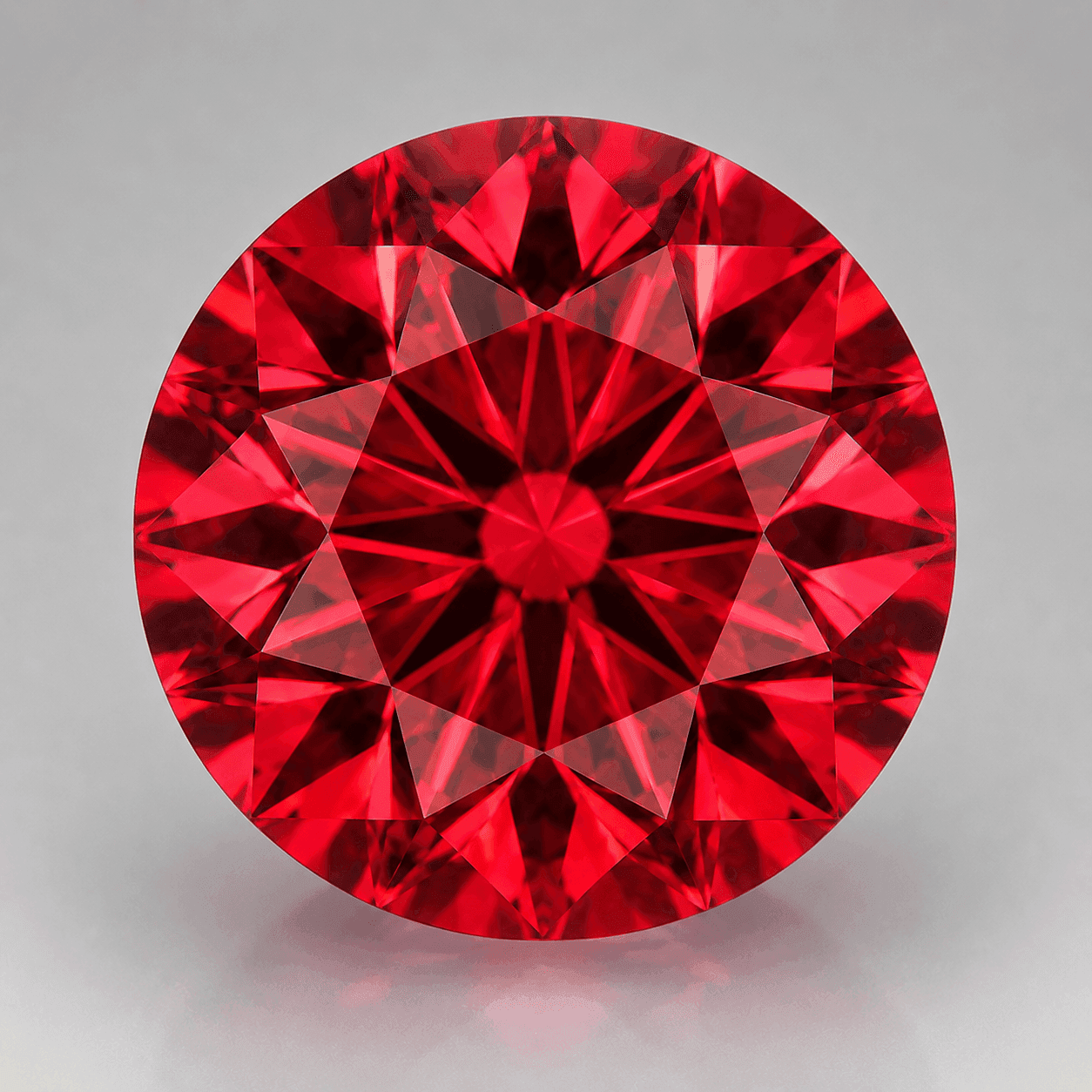
A dealer's 2026 spinel price guide — per-carat ranges by colour and quality, the four value drivers, and why fine red spinel sells for roughly a tenth of a comparable ruby.
As of 2026, spinel price runs from about $100 per carat for commercial red stones to more than $20,000 per carat for exceptional Myanmar reds and top cobalt-blue. Colour, clarity, size and origin set the figure — and a fine red spinel typically costs around one-tenth of a comparable ruby.
What Actually Drives a Spinel Price?
A spinel price is never read off a fixed grading chart the way a diamond's is. There is no global spinel index and no rigid grid; every figure is negotiated stone by stone. In handling loose natural spinel, we find four connected factors explain almost any number you will be quoted.
- Colour is by far the largest lever, and on its own accounts for the bulk of most stones' value. Traders read hue (the base colour), tone (how light or dark) and saturation (how vivid). Pure, vivid, medium-toned red and electric cobalt-blue sit at the top; greyish, dark or washed-out material drops away fast.
- Clarity and transparency matter because spinel is often cleaner than ruby, so the market expects it. A bright, eye-clean stone earns a real premium, while visible inclusions, haze or a sleepy look pull the figure down.
- Carat weight lifts the per-carat price as size grows, because clean spinel in rare colours is scarce above a few carats. A single 3-carat vivid red is worth far more per carat than three matched 1-carat stones of the same quality.
- Origin and treatment round out the picture. Documented Mogok (Myanmar) or Mahenge (Tanzania) origin adds value, and a confirmed no-treatment result matters; because spinel is very rarely treated, that natural status is itself part of what you pay for.
Colour alone can account for the majority of a stone's value, which is why two spinels of identical weight can differ several-fold in price. The GIA spinel quality factors break down how hue, tone and saturation are judged. It also means a modest budget still buys genuinely natural material — you simply move down the saturation ladder, not into treated or synthetic goods. One market quirk works in a buyer's favour: spinel has never had a De Beers-style marketing machine behind it, so despite comparable rarity it still trades below ruby and sapphire. For the full grounding in the species, our complete guide to natural spinel covers how these traits form.
Spinel Price Per Carat by Colour and Quality (2026)
The table below sets out the spinel price ranges we see across the trade as of 2026, arranged by colour and quality tier. Read them as working ranges for loose, natural stones rather than fixed tags: a certificate, an unusually large size or a documented origin can lift a stone above its bracket, while a hidden inclusion or a lifeless cut can drop it below.
| Spinel colour & quality | Typical origin | Price per carat (2026) |
|---|---|---|
| Red — commercial | Mixed sources | $100 – $600 |
| Red — good | Myanmar, Tanzania | $600 – $2,000 |
| Red — high | Myanmar, Tanzania | $2,000 – $5,000 |
| Red — top | Myanmar (Mogok), Tanzania | $5,000 – $10,000 |
| Red — exceptional | Fine Mogok, Myanmar | $20,000+ |
| Cobalt-blue — top, eye-clean | Vietnam (Luc Yen) | up to $20,000+ |
| Cobalt-blue — second tier | Sri Lanka, Mahenge | from ~$2,000 |
| Grey — well cut | Mixed sources | $300 – $500 |
| Neon pink | Mahenge, Tanzania | Premium — quote on request |
Two patterns matter more than any single row. First, the jump between tiers is driven by small differences in colour and clarity that a trained eye — or a laboratory — can see but a photograph often hides. Second, per-carat price rises steeply with size: fine red spinel above five carats is genuinely scarce, so a large clean stone sits on a different curve entirely. If you are weighing whether these figures represent fair value, our companion piece on whether spinel is valuable puts them in context.
A quick worked example makes the size effect concrete. A clean, vivid 1-carat red might sit in the good-to-high band at around $1,500 per carat, or $1,500 in total; the same colour and clarity in a 3-carat stone can command several times that per carat, because so few reach that size uncut and clean. When you compare quotes, always compare like for like on both colour grade and carat weight, never on the headline total alone.
Red Spinel Prices: A Ruby Alternative at a Fraction of the Cost
Red is the colour that built spinel's reputation, and it remains the benchmark the rest of the market is priced against. The history is the reason: the Black Prince's Ruby set in the British Imperial State Crown is not a ruby at all but a large red spinel, and the Timur 'Ruby' in the same collection is another. For centuries the two stones were sold as one, and only modern gemology told them apart.
That shared history is exactly why red spinel is such compelling value now. A top red spinel — vivid, medium in tone, eye-clean — is often priced at roughly one-tenth of a comparable ruby. Chromium colours both stones and produces a very similar red, yet spinel is singly refractive, usually cleaner, and very rarely treated, where the ruby beside it has almost certainly been heated. As of 2026 we see fine reds trading between $2,000 and $10,000 per carat, with exceptional Mogok stones passing $20,000, while honest commercial reds start from around $100.
For a collector, the practical point is that red spinel lets you own a natural, untreated red at a spinel price the ruby market simply cannot match. If red is your target, our red spinel buying guide sets out the exact hues to chase and the brownish or over-dark tones to avoid, and you can view current loose stones in the red spinel collection.
Cobalt-Blue Spinel: Where Spinel Prices Climb Highest
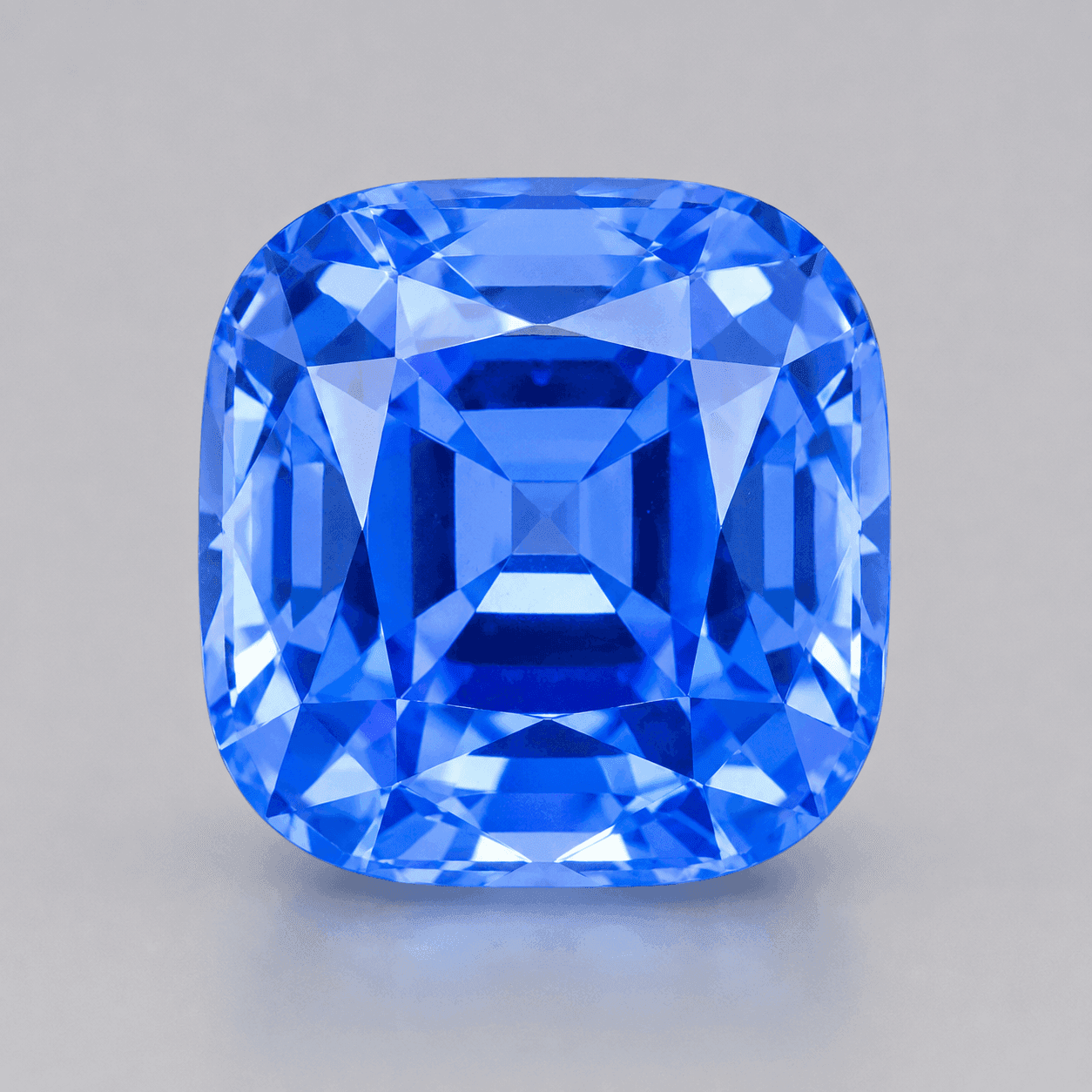
If red is the sentimental heart of the market, cobalt-blue is where the price ceiling actually sits. True cobalt spinel — coloured by cobalt rather than iron — glows an electric, almost neon blue with no real rival among affordable coloured stones. It is extraordinarily rare, tends to occur in small sizes, and is almost never treated, so the colour in the stone is entirely natural.
The most coveted material comes from Vietnam's Luc Yen region, where top eye-clean stones can exceed $20,000 per carat as of 2026 — territory that overlaps with fine ruby and sapphire. Mahenge in Tanzania has yielded cobalt-bearing spinel in larger, more open stones since around 2021 to 2022, while Sri Lankan material carries more iron, reads as a denim or purplish blue, and acts as the accessible entry point from roughly $2,000 per carat. Even second-tier cobalt spinel begins where fine red leaves off.
This is where spinel's rarity story is strongest. Because fine cobalt spinel is almost never treated — unlike blue sapphire, of which roughly 90% is heat-treated — you are paying for a colour that nature produced rather than a furnace. Independent laboratories such as Lotus Gemology now issue colour and treatment reports that materially affect a cobalt stone's price. Our cobalt-blue spinel guide goes deeper on telling true cobalt stones from iron-blue lookalikes, and the cobalt-blue collection shows what is available now.
Pink, Grey and the Rest of the Spectrum
Between red and blue lies a spectrum that has quietly widened the market. Mahenge in Tanzania produced a flood of neon pink and red spinel from 2007 that effectively revived collector interest in the whole species; the finest of it fluoresces a hot, saturated pink that can look almost unreal in daylight. Top neon pink commands a firm premium and is best priced on request, because so much rides on saturation — our Mahenge spinel guide and dedicated pink spinel guide explain what separates a good pink from a great one.
At the accessible end, grey spinel offers something unusual: a natural, untreated stone with a clean, modern look for roughly $300 to $500 per carat when well cut, which has made it a quiet favourite for men's rings, as our grey spinel guide explains. Iron also gives steely blues, soft violets and the denim tones noted above, while traces of chromium lend some pinks their glow. To see the full breadth of what the species does, read the many colours of natural spinel — grey remains one of the easiest ways into genuine natural spinel at a modest price.
Two more corners of the spectrum reward attention. Iron and trace chromium give purple and violet spinel a soft, jewel-like presence, unpacked in our purple and violet spinel guide, while warm orange spinel — from flame tones to soft peach — stays genuinely scarce and undervalued. Colour-change stones that swing hue between daylight and lamplight are rarer still. If you want to know which hues sit at the very top of the scarcity ladder, our guide to the rarest spinel colour ranks them.
Spinel vs Ruby and Sapphire: An Honest Price Comparison
Because spinel is still stepping out of ruby's shadow, its price is easiest to judge by anchoring it against the stones it was long mistaken for. This is not flattery; it is the clearest way to see where the value sits.
| Fine stone, like for like | Relative price per carat | Treatment norm |
|---|---|---|
| Fine red spinel | Baseline (1x) | Very rarely treated |
| Comparable ruby | Around 10x a fine spinel | Commonly heat-treated |
| Fine blue sapphire | Strong premium over spinel | ~90% heat-treated |
| Fine cobalt-blue spinel | Highest bracket within spinel | Almost never treated |
Two facts do the heavy lifting. A top red spinel runs at roughly one-tenth of a comparable ruby, and where about 90% of blue sapphire is heat-treated, fine spinel almost never is. So the spinel price you pay secures natural colour and clarity that, in ruby or sapphire, would either cost many times more or arrive with routine treatment. For the full side-by-side, read spinel vs ruby and spinel vs sapphire; and if you are thinking further ahead, is spinel a good investment weighs the case without overpromising.
One honest caveat from the dealing side: spinel's secondary market is thinner than ruby's or sapphire's, so a fine stone is easier to buy well than to sell quickly. That is the trade-off for entering a rising, still-underpriced category — you are ahead of the demand curve, not riding an established one. Buy the stone for its colour and rarity first, and treat any future appreciation as a bonus rather than a plan.
How to Read a Spinel Price Quote Without Overpaying
A quoted figure means little without the story behind it. When we appraise a stone, or guide a client through a purchase, we work the same short sequence. Apply it to any spinel price you are offered.
- Pin down the colour in neutral light. Ask for hue, tone and saturation, and view the stone or a video under daylight-balanced light rather than a seller's spotlight. Vivid colour at medium tone earns the top of a bracket; grey or over-dark does not.
- Confirm clarity honestly. Ask outright whether the stone is eye-clean and request magnified images. Spinel is expected to be relatively clean, so reserve any premium for genuine transparency, not a flattering photograph.
- Check the size threshold. Per-carat price steps up at key weights, so a stone just over a round figure such as 3.00 carats costs more per carat than one just under. Decide whether that size premium is worth it to you.
- Insist on origin and treatment disclosure. Ask where the stone was mined and whether it has been heated. Untreated status is central to spinel's value, and a reputable seller will state it plainly; the GIA spinel buyer's guide is a useful neutral reference.
- Get an independent certificate for anything significant. For a meaningful purchase, a report from a respected laboratory confirms colour, natural origin and no treatment — the very factors that set the price. Our guide to spinel certification covers which labs and reports to trust.
Work through those five points and you will rarely overpay. For the longer version, our step-by-step guide to buying natural spinel and the primer on how to tell if a spinel is real cover the mechanics in full.
Spinel Price FAQs
- How much does spinel cost per carat in 2026?
- Commercial red spinel starts near $100 per carat, while good-quality reds run $600 to $2,000 and top stones reach $5,000 to $10,000. Exceptional Myanmar reds and top cobalt-blue can exceed $20,000 per carat. Colour, clarity, size and origin move every spinel price within these ranges.
- Is spinel cheaper than ruby?
- Yes. A fine red spinel typically costs around one-tenth of a comparable ruby, because rubies carry centuries of brand demand. Spinel offers similar red colour and often superior clarity for far less, which is why collectors increasingly treat it as a deliberate choice rather than a substitute.
- Why is cobalt-blue spinel so expensive?
- Cobalt-blue spinel is genuinely rare, occurs in tiny sizes, and is almost never treated, so its electric blue is entirely natural. Top eye-clean Vietnamese stones can exceed $20,000 per carat. That scarcity, combined with untreated colour, places cobalt spinel among the priciest spinel on the market.
- Does spinel hold its value?
- Fine, untreated spinel in rare colours has appreciated as awareness has grown since 2007, but no gemstone is a guaranteed investment. Value holds best for eye-clean stones in vivid red, cobalt-blue or neon pink, backed by an independent certificate confirming natural origin.
- What is the most affordable natural spinel?
- Grey spinel is the accessible entry point, at roughly $300 to $500 per carat for well-cut stones, and it is popular in men's jewellery. Iron-rich Sri Lankan blue and smaller commercial reds also offer natural, untreated colour without the premiums of top red or cobalt material.
Every fine spinel is effectively one of one — a single crystal, from a nearly exhausted pocket at Mahenge or Mogok, cut a single time and never repeated. That is the argument behind every figure in this guide: you are not buying a manufactured grade but a natural object that will not be produced again at the same quality. When a colour holds your eye, the sensible next step is to see loose stones for yourself. Browse the current House of Spinel shop to compare colour and spinel price at your own pace, or move through the full colour collections to find where your attention keeps returning.
For the top of the market and the quality factors behind it, read the most expensive spinel and our guide to spinel clarity, cut and shape. See how size moves the number in our spinel carat weight and size guide. See also spinel resale value and spinel market trends.
Sources
Facts on this page draw on independent gemmological authorities:
- Gemological Institute of America (GIA) · Institute
- Gübelin Gem Lab · Laboratory
- GRS (GemResearch Swisslab) · Laboratory
- Lotus Gemology · Laboratory