What natural spinel actually recovers on resale, which stones hold value, the real selling channels, and why buying quality and keeping paperwork protects what you can realise. Honest, not hype.
Spinel resale value is real but modest and illiquid: on a fine, top-colour stone you can expect to recover a meaningful fraction of what you paid, while commercial material returns little, because coloured gems change hands in a slow private market rather than on a liquid exchange. Quality, size, clarity, a desirable origin and clean paperwork are what actually hold value over time.
That is the honest headline, and it is worth stating plainly because so much writing about coloured stones drifts into fantasy. Spinel is one of the great connoisseur gems — untreated by nature where most sapphire is heated, Mohs 8, singly refractive, and historically confused with ruby in more than one crown jewel. It has genuine desirability. But desirability is not the same as liquidity, and understanding the gap between the two is the single most useful thing a collector can learn before thinking about resale. This guide sets out what really drives resale value, roughly how much of your outlay you might recover, which channels exist, and why the discipline of buying quality and keeping records is the best protection you have.
What actually determines spinel resale value?
Resale value is driven by the same short list of factors that set the original price: colour first, then size, clarity, cut, and origin. Nothing about the second sale rewrites those rules — the market simply reprices your stone against fresh comparable material, and the closer your gem sits to the top of each factor, the more of its value survives.
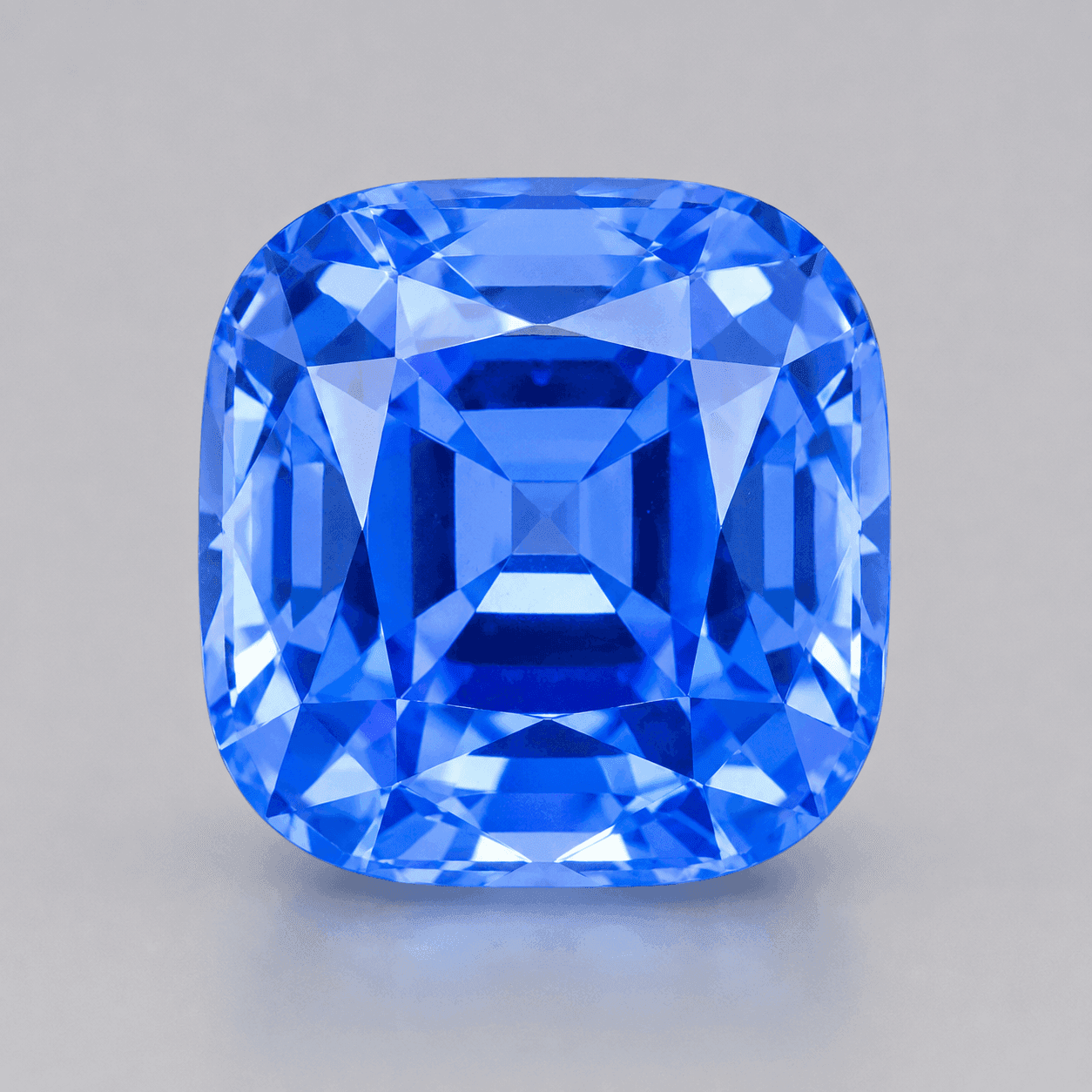
Colour does the heavy lifting. A vivid, saturated hue with even distribution and no grey or brown mask sits at the top of demand and therefore holds value best. In red, that means a pure chromium red with life in it; in blue, the electric, cobalt-driven blues are the most sought-after and command the strongest premiums, as our cobalt-blue spinel guide explains in detail. Pastel pinks, greys and browns are lovely and far more affordable, but they are commodity-adjacent colours with thin resale support. If you want the full picture of what each hue is worth, the spinel price guide is the reference to keep open alongside this one.
Size compounds colour. Fine spinel above three to five carats is genuinely scarce, and per-carat value rises with weight in the top grades — a clean 5ct vivid red is exponentially rarer than five 1ct stones. Clarity matters because spinel is expected to be eye-clean at the fine end; visible inclusions that dull brilliance pull resale down sharply. Cut is often underrated: a well-proportioned, lively cut in a good shape (round, cushion, oval) resells more easily than a lumpy native cut retained only to save weight. And origin has become a real price lever — more on that below.
The market does not reprice your certificate or your story. It reprices the stone, against whatever comparable material is on a dealer's tray that week.
How much of my money will I actually get back?
Realistically, expect to recover somewhere between a fraction and most of your purchase price depending on quality and how you sell. Fine, top-colour, certified stones sold through the right channel can return a healthy majority of retail; commercial stones sold in a hurry can return very little.
The reason is structural. When you buy at retail you pay a margin that covers a dealer's sourcing, cutting, capital, certification and expertise. When you sell, you are usually selling back into that same wholesale layer — a dealer will only buy from you at a price that lets them resell at a profit. That spread between retail and wholesale is the gap you feel on resale, and it is widest on ordinary material and narrowest on the rare, in-demand stones that a dealer knows they can move quickly. This is exactly why we treat spinel as something to buy well and enjoy, not as a trading instrument; our candid view is set out in is spinel a good investment?.
A few honest rules of thumb. Buying closer to wholesale in the first place — from a specialist rather than a jewellery-mall markup — shrinks the gap you have to climb back. Holding for years rather than months helps, because the broad spinel market trend since spinel joined the birthstone list in 2016 has been one of rising recognition and firming prices at the fine end. And selling patiently, to the right buyer, almost always beats a fire sale. None of this is a promise of profit — it is simply the difference between recovering most of your money and recovering a little.
Where can I actually sell a spinel?
There are three practical channels: sell or trade back to a specialist dealer, consign to auction, or sell privately to another collector. Each trades speed against price — dealers are fastest and lowest, private sales are slowest and highest, and auction sits in between with fees and uncertainty attached.
Dealers are the workhorse channel. A reputable specialist — ideally the one you bought from, or one who knows the material — can give you a firm offer quickly, and many will offer more generous terms as a trade-up toward a better stone than as a straight cash buy-back. Expect a wholesale offer; that is the price of certainty and speed. Choosing that dealer well in the first place matters enormously, which is why we wrote where to buy natural spinel.
Auction suits only the genuinely exceptional: important sizes, elite colour, prized origin, ideally with a respected laboratory report. The major houses take real material and can achieve strong prices, but they charge seller's commission, results are not guaranteed, and a stone that fails to meet reserve returns to you — now carrying an unhelpful 'unsold' history. For a sense of what belongs at that level, see the most expensive spinel. Private sale to another collector captures the most value because you cut out the wholesale margin entirely, but it demands patience, trust, and a way to prove authenticity to a stranger.
Whichever route you choose, a short, disciplined process protects you:
- Gather your paperwork — original invoice, any independent laboratory report, and a current insurance appraisal if you have one.
- Get an independent laboratory report if the stone lacks one and is fine enough to warrant it; identity and origin documentation widen your buyer pool.
- Obtain two or three offers or valuations so you understand the real spread, not a single opinion.
- Decide honestly which you value more: speed (take the dealer offer) or top price (consign or sell privately, and wait).
- Photograph the stone properly and disclose everything accurately — weight, dimensions, treatment status, origin — because misrepresentation is what kills private-sale trust.
- Use secure, insured shipping and a payment method that protects both parties.
Why does paperwork protect resale value?
Documentation converts your private knowledge into something a stranger can trust, and trust is what a buyer pays for. A stone with an independent report and a clear provenance trail sells faster and higher than an identical stone sold on your word alone.
At resale, a buyer's first two questions are always the same: is it natural, and is it what you say it is? A report from a respected laboratory answers both. It confirms the species (spinel, not a synthetic or a look-alike), confirms that it is untreated — which for spinel is the norm, but which a serious buyer still wants stated — and, increasingly, states an origin. Because origin now moves price, an origin call on the certificate can be worth real money; we unpack how much in does spinel origin matter?. If you are unsure which reports carry weight, spinel certification explained walks through the laboratories that the trade actually respects.
Keep the whole file together for the life of the stone: original invoice, laboratory report, and an up-to-date appraisal for insurance. That appraisal is not a resale price — it is a replacement value, typically well above what you would actually be offered — but it demonstrates that the stone has been professionally examined and cared for. Our note on spinel appraisal and insurance explains the distinction, and it is one that catches out a lot of first-time sellers who expect to be paid their insurance figure. The GIA's own spinel buyer's guide is a sound neutral primer to point a nervous buyer toward.
Which spinels hold value best, and which don't?
The stones that hold value best are the ones the market is short of: top-colour reds, vivid cobalt blues, and fine large stones from prized origins. The ones that hold value least are pale, included, or commercial-colour stones that any dealer can restock cheaply. The table below sketches the pattern — it is a guide to relative liquidity, not a price list.
| Category | Resale liquidity | Why |
|---|---|---|
| Vivid chromium red, clean, 2ct+ | Strong | Scarce, iconic, priced near ruby appeal — often a fine red is a fraction of comparable ruby, so demand is deep |
| Cobalt-driven electric blue | Strong | Rarest colour class; top stones can exceed $20,000/ct and buyers actively hunt them |
| Fine Mahenge / Mogok with origin report | Strong | Named origin plus documentation narrows the wholesale gap |
| Hot pink / vibrant pink, clean | Moderate | Genuine demand but broader supply than red or cobalt |
| Lavender, violet, teal, colour-change | Moderate | Connoisseur appeal, thinner buyer pool — patience needed |
| Pale pink, light grey, brown, small commercial | Weak | Commodity-adjacent; dealers restock easily, offers are low |
Two patterns run through that table. First, rarity plus demand equals liquidity: a stone the market is genuinely short of, like a fine Mahenge spinel or a proper red spinel, has buyers waiting, so the resale spread is tight. Second, everything commodity-adjacent — the pale, small and included — competes with cheap fresh supply, so a dealer has little reason to pay up. Grey is the clearest example: characterful and affordable at perhaps $300–500/ct, but with correspondingly limited resale support, as our grey spinel guide makes clear. Buy grey to wear and love, not to resell.
So should I think about resale at all when buying?
Yes — but as a discipline that improves what you buy, not as a plan to profit. The habits that protect resale value are identical to the habits that get you a better, more beautiful, more authentic stone in the first place, which is why sensible buying and sensible reselling are really the same skill.
Buy the best quality you can afford rather than the biggest; a smaller stone of top colour holds value far better than a large mediocre one. Buy from a specialist so your entry price is closer to wholesale. Insist on documentation, and keep it. Favour the colours and origins the market actively wants if resale is a real concern, and treat commodity colours as pure pleasure purchases. All of this is laid out step by step in how to buy natural spinel, and it is the same advice we would give a friend. For laboratory context on how the trade thinks about quality and identity, the work published by Lotus Gemology is among the most respected in the field.
When you are ready to build a collection with resale resilience in mind, browse our current loose spinel by colour, or explore the colour collections to compare the hues that hold value best side by side. Buy quality, keep your paperwork, hold with patience — and let resale look after itself.
- Does spinel hold its value?
- Fine, top-colour, certified spinel holds value well and has firmed steadily since spinel joined the August birthstones in 2016. Commercial and pale stones hold value poorly. The single biggest factor is quality: a small vivid stone outperforms a large dull one on resale.
- Will I get my money back if I sell my spinel?
- Usually you recover a fraction to most of your outlay, not a profit, because you typically sell back into the wholesale layer below the retail price you paid. Buying closer to wholesale from a specialist, holding for years, and selling patiently all narrow that gap.
- What is the best way to sell a natural spinel?
- Three channels exist: a specialist dealer (fastest, lowest price, often better as a trade-up), auction (only for exceptional stones, with fees and no guarantee), and private sale to a collector (highest price, slowest, needs documentation to build trust). Match the channel to whether you value speed or price.
- Does a certificate increase spinel resale value?
- Indirectly but meaningfully. A report from a respected laboratory confirms the stone is natural, states its untreated status, and often calls an origin — all of which widen your buyer pool and speed the sale. It does not raise the stone's intrinsic worth, but it protects the price you can realise.
- Which spinel colour has the best resale value?
- Vivid chromium red and electric cobalt-driven blue are the most liquid, because both are genuinely scarce and actively sought — top cobalt blue can exceed $20,000 per carat. Fine stones from named origins like Mahenge or Mogok, backed by an origin report, also resell strongly.
Sources
Facts on this page draw on independent gemmological authorities:
- Gemological Institute of America (GIA) · Institute
- Gübelin Gem Lab · Laboratory
- GRS (GemResearch Swisslab) · Laboratory
- Lotus Gemology · Laboratory