Spinel is rarer than the ruby it was long mistaken for, almost never treated, and Mohs 8 hard — yet it stays underrated. Here is exactly why, and why that is finally changing.
Spinel is underrated because for centuries it was mistaken for ruby, it never had a diamond-style marketing machine behind it, and an outdated "semi-precious" label kept consumer awareness low — yet none of those reasons touch its actual rarity, hardness, or beauty, all of which rival the classic "precious" gems. In other words, spinel's low profile is an accident of history and marketing, not of merit. That gap between reputation and reality is exactly why collectors who know the stone treat it as one of the last genuine bargains in fine coloured gems — and why that bargain is quietly closing.
Is spinel actually rare, or just cheap?
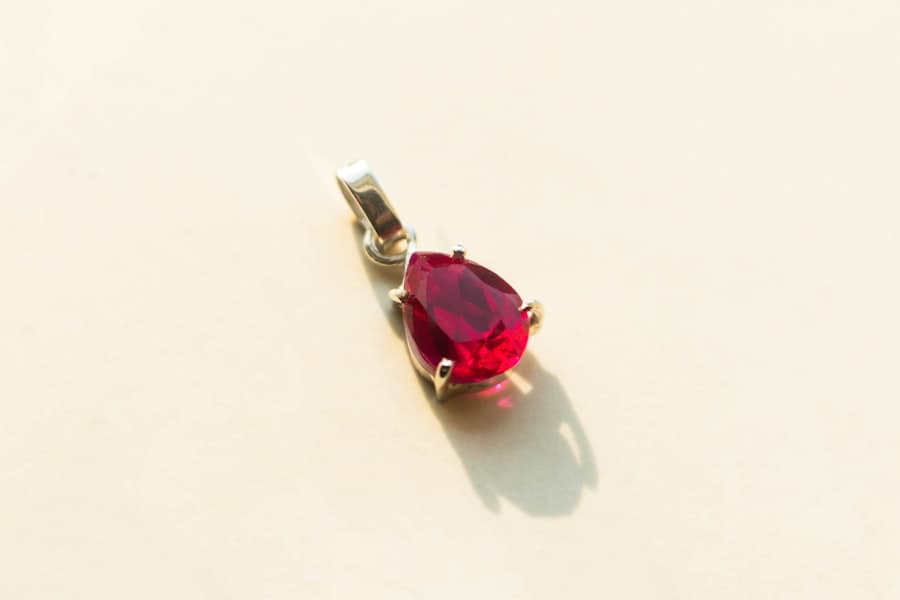
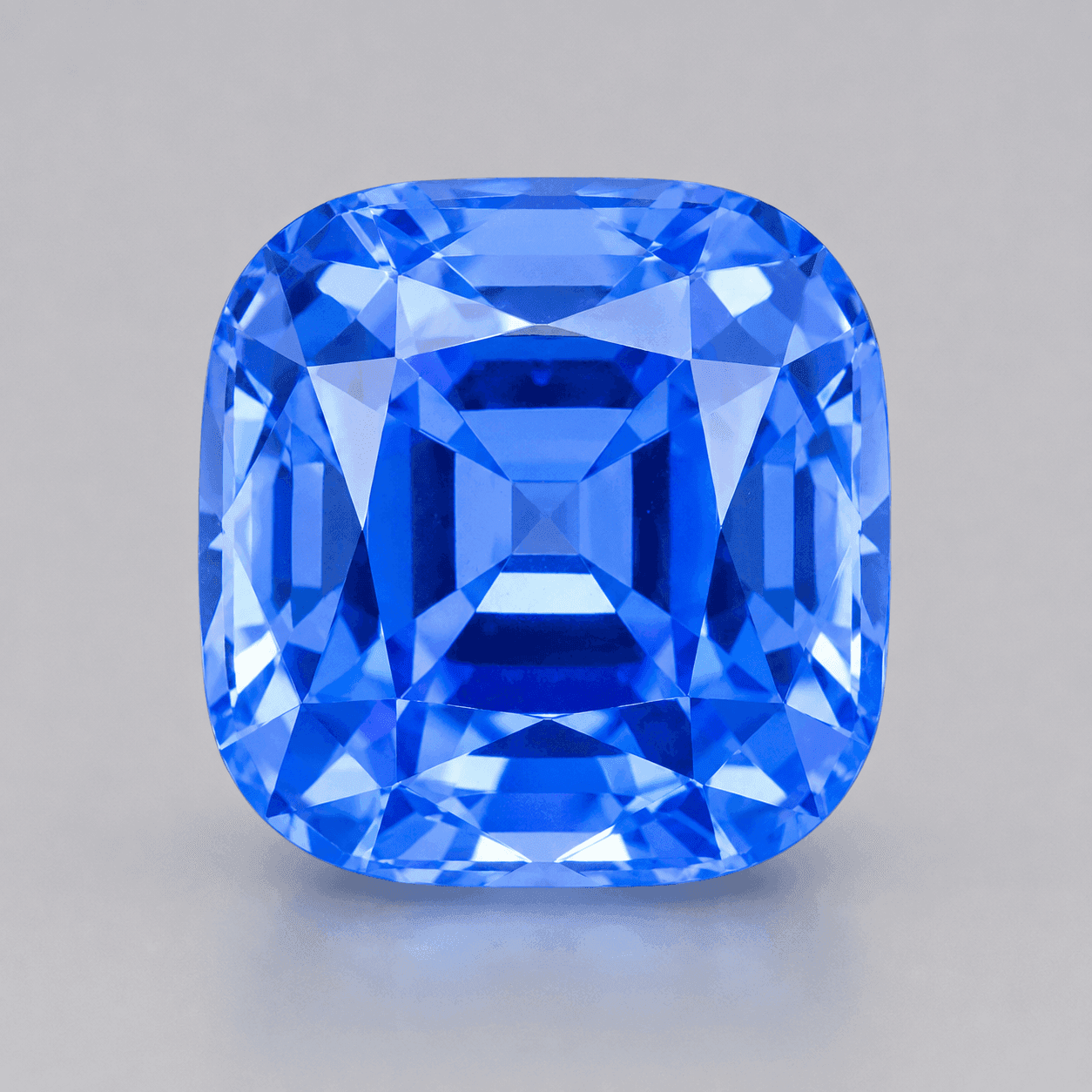
Fine spinel is genuinely rare — often rarer than the ruby it was long confused with — and its historically modest prices reflect obscurity, not abundance. A stone can be scarce and affordable at the same time when few buyers are competing for it, and that is precisely spinel's situation. Gem-quality spinel forms in the same marble-hosted geology as ruby, in the same fabled deposits, but in far smaller quantities and in far fewer clean, well-coloured crystals. Vivid red spinel above a few carats is a serious rarity; electric cobalt-blue spinel is one of the rarest coloured gems on earth, and even then it can trade for a fraction of what a comparable sapphire or ruby commands.
The pricing tells the story plainly. In 2026, fine red spinel typically runs from roughly $2,000 to $10,000+ per carat, while a comparable Burmese ruby of similar size and saturation can cost ten times as much. Grey spinel — an underrated colour in its own right — sits near $300 to $500 per carat, and top cobalt-blue can exceed $20,000 per carat only at the very summit of the market. Those numbers describe a rare gem that the market has simply not repriced yet. For a fuller breakdown of what drives value, our guide to whether spinel is valuable walks through colour, size, and origin in detail.
Why was spinel mistaken for ruby for so long?
For most of recorded history there was no reliable way to separate red spinel from ruby, so many of the world's most famous "rubies" were quietly reclassified as spinel only in the modern era. Both stones occur red, both form in the marbles of Mogok, and to the naked eye a fine red spinel is every bit as beautiful as a ruby. The confusion was not carelessness — it was the limit of pre-gemmological knowledge.
The most famous casualties are crown jewels. The "Black Prince's Ruby" set in the Imperial State Crown and the "Timur Ruby" are both, in fact, large red spinels — a history we explore in famous spinels through the ages. The word balas ruby was used for centuries to describe exactly these stones. Only with the arrival of the refractometer and modern mineralogy did the distinction become clear: ruby is corundum (aluminium oxide) and doubly refractive, while spinel is magnesium aluminium oxide, cubic, and singly refractive — no pleochroism, no facet-doubling (mineralogical overview). If you want the side-by-side, our spinel versus ruby comparison and the piece on why spinel is still mistaken for ruby cover the tells a gemologist uses. The upshot: spinel spent centuries as ruby's understudy, receiving none of the credit even while sitting in the crowns of empires.
Does spinel have a marketing machine behind it?
No — and that single fact explains more of spinel's low profile than any gemmological quirk. Diamond, ruby, sapphire, and emerald each ride on more than a century of coordinated advertising, retail training, and cultural scripting; spinel has essentially none of it. There is no "a spinel is forever" slogan, no engagement-ring tradition built around it, no de facto category on the average jeweller's counter.
Marketing does not just sell a gem; it teaches the public what to want and what to pay. The famous diamond campaigns of the twentieth century did not merely describe demand — they manufactured it, embedding a stone into rituals of love and status. Spinel never received that investment, partly because it was mistaken for other stones and partly because no single deposit or cartel ever controlled enough supply to justify a global campaign. The result is a classic awareness gap: most consumers have simply never heard the case for spinel, so they never ask for it, so retailers never stock it, so the cycle repeats. Dealers know this well — it is why spinel remains a connoisseur's stone traded largely between people who already understand it. If you are new to the material, the complete guide to natural spinel is the place to start, and you can see the full spectrum across our colour collections.
What does "semi-precious" actually mean — and why is it misleading?
"Semi-precious" is a marketing relic from the 1800s, not a scientific grade, and it tells you nothing about a stone's rarity, durability, or price. The trade split gems into "precious" (diamond, ruby, sapphire, emerald) and "semi-precious" (everything else) at a time when spinel was barely understood, and the label has clung to it ever since — dragging its perceived value down with it.
The term collapses under scrutiny. A fine spinel out-prices a poor emerald many times over; a rare cobalt-blue spinel is far scarcer than a heated commercial sapphire. Reputable gemmological bodies have largely abandoned the precious/semi-precious binary precisely because it misleads buyers, and independent authorities such as the GIA spinel buyer's guide now treat fine spinel as a serious collector's gem in its own right. We make the full argument in is spinel a precious stone? — the short version is that the categories reflect Victorian fashion, not mineralogy. Spinel's Mohs 8 hardness, absence of cleavage, and excellent toughness make it more than durable enough for daily wear, as covered in our hardness and durability guide. Calling such a stone "semi" anything is a historical accident that a careful buyer should mentally discard.
How does spinel really compare to the "precious" gems?
On the metrics that actually matter to a collector — natural rarity, treatment, durability, and price-to-beauty — spinel holds its own against ruby and sapphire and beats them outright on honesty of material. The table below sets the comparison out plainly.
| Factor | Fine Spinel | Ruby | Blue Sapphire |
|---|---|---|---|
| Typically treated? | No — untreated is the norm | Very often (heat, glass-filling common) | Yes — roughly 90% is heated |
| Species | MgAl2O4, cubic, singly refractive | Corundum, doubly refractive | Corundum, doubly refractive |
| Hardness (Mohs) | 8, no cleavage | 9 | 9 |
| Fine-colour rarity | Very high (red, cobalt-blue extremely rare) | High | High |
| 2026 price (fine, per ct) | ~$2,000-10,000+ (red) | ~$20,000-100,000+ (Burmese) | Wide; fine unheated is premium |
| Consumer awareness | Low but rising | Very high | Very high |
| Marketing history | Essentially none | A century-plus | A century-plus |
The row that dealers point to first is treatment. Around 90% of blue sapphire on the market is heated, and ruby is routinely heated or glass-filled, yet spinel is very rarely treated at all — what you see is what nature made. That untreated status is a quiet luxury the mainstream stones cannot match, and it is explained in full in is spinel treated or heated?. When a rarer, untreated, nearly-as-hard stone costs a fraction of its famous cousins, "underrated" is simply the accurate word.
How can you tell an underrated gem from a genuinely cheap one?
An underrated gem is one whose price lags its rarity and quality; a cheap gem is one that is abundant or flawed and priced accordingly. The difference is knowable, and a few disciplined checks will tell you which you are holding. Here is the sequence a careful buyer follows.
- Confirm the species and that it is natural, untreated spinel — ask for an independent report and read our note on certification.
- Judge colour first: saturated, evenly distributed hue with good brightness drives the vast majority of value, as our price guide explains.
- Assess rarity honestly — a vivid red or true cobalt-blue is scarce; a mid-grey or pale stone is more common and should be priced as such.
- Compare like with like: benchmark the asking price against a comparable ruby or sapphire to see how far the market still discounts spinel.
- Check durability and craftsmanship — Mohs 8 with no cleavage means a well-cut spinel will wear beautifully for generations.
- Buy the individual stone, not the story: a genuinely rare colour from a specialist dealer is underrated; a common colour dressed up in hype is merely cheap.
Run that checklist and the distinction becomes obvious. A fine untreated red at a tenth of ruby money is underrated. A pale, included stone marketed as "the collector's secret" is just inexpensive. Knowing which is which is most of what separates a shrewd purchase from a disappointing one — see our buying mistakes guide for the traps to avoid.
Is spinel's underrated status finally changing?
Yes — and faster than most buyers realise. Three developments have pulled spinel from obscurity toward genuine collector demand, and each has left a mark on price. The stone is still a bargain relative to ruby and sapphire, but the window of deep undervaluation is narrowing.
The first catalyst was Mahenge. The 2007 discovery of extraordinary neon-pink and red spinel in Mahenge, Tanzania, produced colours so vivid they redefined what the species could be, and the gem press took notice — the full story is in our Mahenge spinel guide. The second was birthstone status: in 2016 spinel was named an official August birthstone alongside peridot, a formal nod that put its name in front of a mainstream audience for the first time, as we cover in spinel joins the August birthstones. The third is collector migration — connoisseurs who already own fine ruby and sapphire increasingly seek out spinel precisely because it is untreated, rare, and undervalued, pushing the finest examples to record levels documented in the most expensive spinels.
Spinel's obscurity was never a verdict on the stone — it was a gap in the story. Collectors are closing that gap now, one rare crystal at a time.
For the collector, the practical takeaway is unusually clear. Spinel is underrated for reasons that have nothing to do with the gem itself — a case of mistaken identity, an absent marketing machine, and a Victorian label that never fit. Those reasons are eroding, but the repricing is far from complete, which means there is still room to acquire genuinely rare, untreated, beautiful stones before the wider market catches up. If you would like to see what that looks like in the hand, explore our colour collections or browse the current loose spinel — and read why spinel is underrated's companion pieces to buy with the same confidence a dealer does.
- Is spinel a real gemstone or a fake ruby?
- Spinel is a real, natural gemstone — a distinct mineral species (magnesium aluminium oxide) that is entirely separate from ruby. For centuries red spinel was mistaken for ruby because the two look alike and form in the same deposits, which is how famous "rubies" like the Black Prince's Ruby turned out to be spinel. It is not an imitation; it is its own rare gem.
- Why is spinel so cheap compared to ruby if it is rarer?
- The price gap is about awareness and marketing, not supply. Ruby has more than a century of advertising and cultural demand behind it, while spinel has almost none, so fewer buyers compete for it. Fine red spinel often costs around a tenth of a comparable ruby despite being scarcer and almost always untreated — a genuine value that is slowly correcting as collectors take notice.
- Does the "semi-precious" label mean spinel is low quality?
- No. "Semi-precious" is a 19th-century marketing term with no scientific basis, and gemmological bodies have largely abandoned it. It says nothing about rarity, durability, or price. Fine spinel is rarer than much commercial sapphire, harder-wearing than emerald, and can out-price both — the label simply predates a proper understanding of the stone.
- Is spinel a good stone for everyday jewellery?
- Yes. Spinel is Mohs 8 with no cleavage and excellent toughness, making it well suited to rings and daily wear. It is harder than quartz, tanzanite, and emerald, and because it is almost never treated, there is no fracture-filling or coating to protect. With basic care it will keep its brilliance for generations.
- Will spinel become more valuable as it grows in popularity?
- Demand for fine spinel has clearly risen since the 2007 Mahenge discovery and its 2016 August birthstone recognition, and the rarest colours have reached record prices. We never promise investment returns — gem values depend on quality, rarity, and market conditions — but the structural undervaluation that made spinel a bargain is narrowing, so the finest untreated stones are the ones most likely to hold interest over time.
Sources
Facts on this page draw on independent gemmological authorities:
- Gemological Institute of America (GIA) · Institute
- Gübelin Gem Lab · Laboratory
- GRS (GemResearch Swisslab) · Laboratory
- Lotus Gemology · Laboratory